

The Odyssey on the Big Screen
As The Odyssey debuts in theaters, a Baylor Great Texts professor and filmmaker explores why Homer’s ancient epic still captivates audiences and how timeless stories find new life through modern media
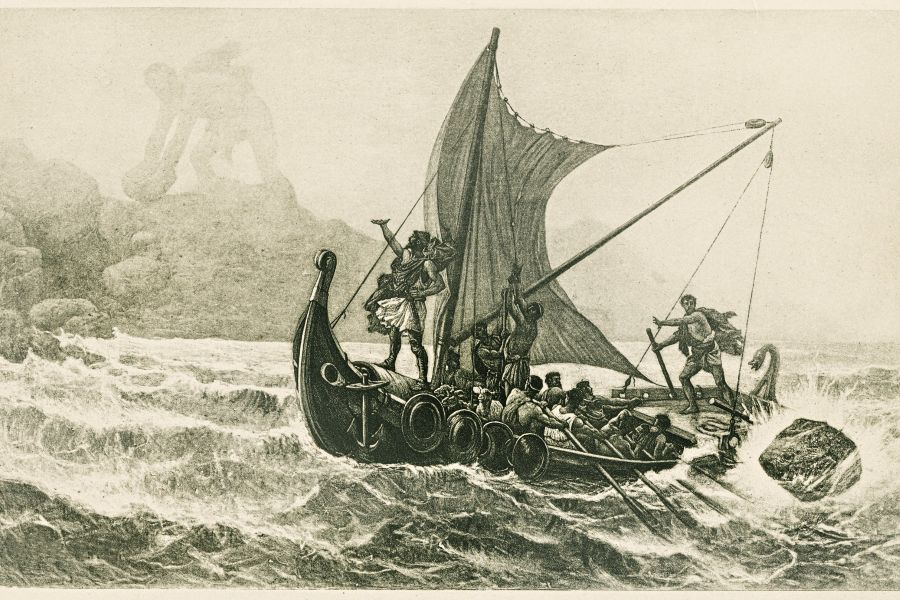
Engraved illustration from 1894 of a scene from The Odyssey where Ulysses and his men escape from Polyphemus. (Credit: THEPALMER / Collection: DigitalVision Vectors)
Contact: Baylor University Media & Public Relations, 254-710-1961
Follow us: @BaylorUMedia on X and LinkedIn
How would one even begin the task of adapting The Odyssey, Homer’s nearly 3,000-year-old poem, to the big screen in 2026? We’re finding out as Academy Award-winning director Christopher Nolan brings the epic story of the hero Odysseus on his decade-long journey home after the Trojan War to modern audiences, including some who may never have read the classic story.
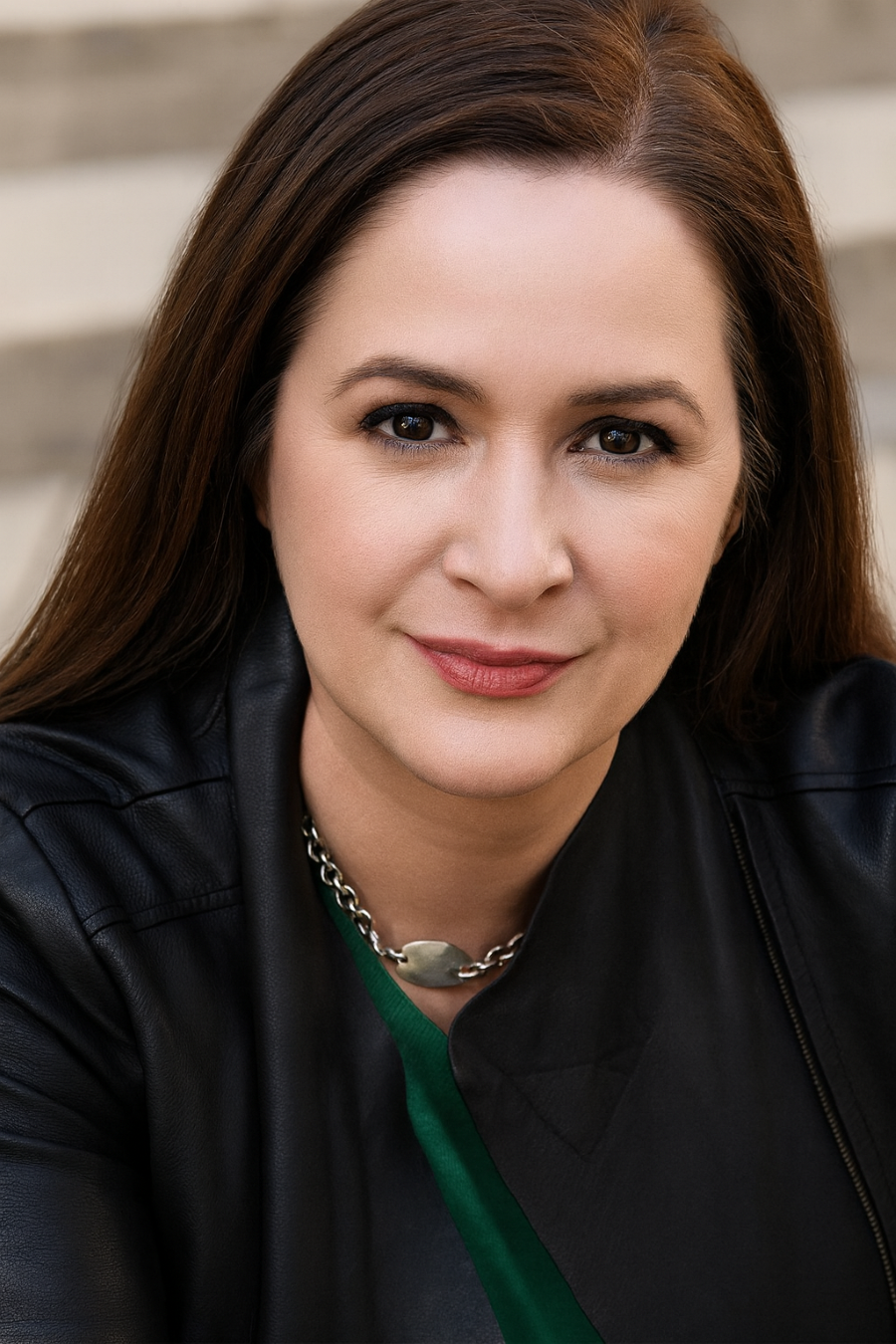
As a professor of Great Texts at Baylor University, Sarah-Jane (SJ) Murray, Ph.D., has spent most of her life reading and analyzing ancient texts like The Odyssey and teaching a popular course in the Honors College on the “Intellectual Tradition of the Ancient World.” But she’s also a screenwriter and filmmaker who works with modern media and technologies to invite new audiences into the “Great Conversation” that spans millennia.
“Stories really shape us, whether we know it or not. And I think that that's something I try to spend a lot of time explaining to my students, that a story is always shaping the way you look at the world,” Murray said. “Movies are an incredibly powerful medium, and that's why I'm so excited to see Christopher Nolan tackle The Odyssey, because the reality is millions of people will be thinking about and talking about The Odyssey for a long time to come, who would never have picked up the book.”
Baylor Media & Public Relations spoke with SJ Murray about her approach to The Odyssey on the big screen, why this ancient story still resonates with readers – and now viewers – today and the creation of The Greats Story Lab that breathes new life into ancient wisdom from yesterday’s great books for today’s digital world.
Q: You’ve described The Odyssey by Homer as “one of the greatest journeys ever told,” but it’s also a story that has us ponder some of life’s deepest questions. Why does The Odyssey, written nearly 3,000 years ago, continue to speak to us today?
SJ Murray: This is something I spend a lot of time thinking about. At the end of the day, there are stories that are here for now, maybe entertain us in the day-to-day, or distract us and provide a little bit of relief from the difficulties of life. But then there are these enduring tales that challenge us to ask about timeless questions that never go away.
I watch my students go through this in the classroom all the time, even the ones who have encountered maybe parts of The Odyssey in high school, and they're thinking, why am I reading this again? And then I watched them fall in love with it for the first time. It's not just that the story endures; it's that we can revisit it at different times in our lives, and we find new answers. Or if we're lucky and we're curious, we find new questions to ask about who we are. So there's all kinds of themes that help us in this, but at the end of the day, this is a story about someone who can't go home.
Q: That desire to “go home” is a universal theme we all can recognize, whether we’ve read the book or not.
It's not that easy to come home from war and from great trial. You're no longer the same person you were when you left, so when we meet the great hero for the first time – and we don't meet him at the beginning of the book – he’s weeping. There are always a few students in the class who say, this is just not how I would think of Odysseus. And the Greeks wouldn't have either. This is the great hero of the battle of Troy, and yet when we meet him, he's a broken man, war has taken its toll on him and so has separation from his community, and he yearns to go home. The person holding him hostage has offered him immortality, and unlike, let's say the Interview with a Vampire interviewer, who wants that immortality more than anything else, Odysseus just wants to be human, knowing that he will die.
The Odyssey is a book about challenging us to live well, because life is short, and there will be trials, there will be challenges, and as we see Odysseus wrestle with them, including his own great pride, we have a chance to learn lessons from him and to forge our own characters alongside him. There's the adventure, for sure, but there's an incredible part of the book that forms us as people who think about restraint, and what does a virtue like humility look like? What does a virtue like courage look like? All of these are questions that help us live more fruitful lives if we seek out the answers, and there's no easy answer, so we have to keep revisiting these questions, and a book like The Odyssey invites us into that same quest, so that we, too, can find the peace and rest of finally being home again. That really inspires me.
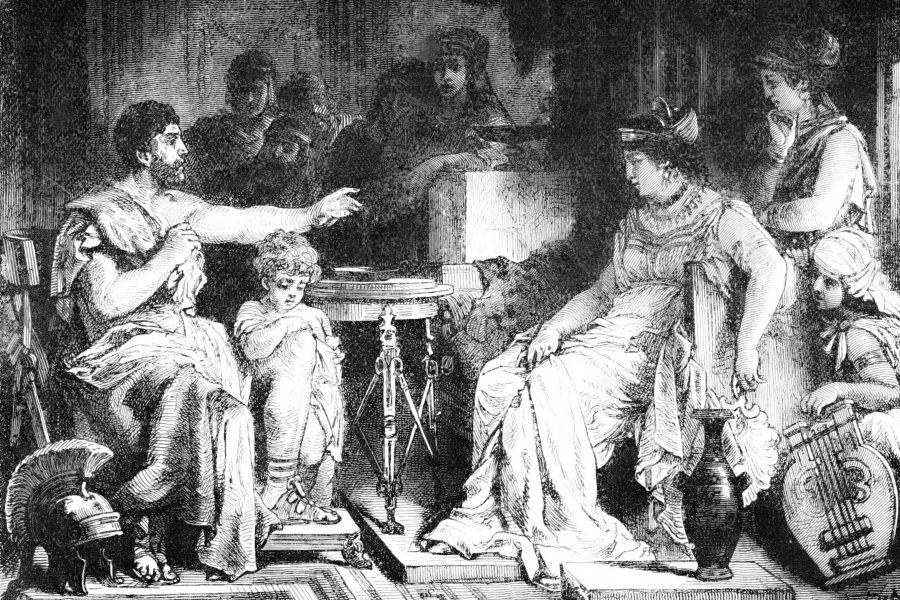
Q: As a professor of Great Texts who also teaches in film & digital media, how should moviegoers who have never read The Odyssey engage with the story?
SJ Murray: This is such a great thing to think about because there's a lot of noise right now on the internet. Read the book first, read the book after. And I think it's okay to approach it from many different ways. My advice would be to remember, and I say this as a positive thing, that a movie is a work of art in its own right, and it is an interpretation in its own right.
So I do not presume to tell anybody what they should do, but I can tell you what I do, and that is I will be going in, and I will be excited to see how Christopher Nolan adapts it. My hope is that the truth and the spirit and the themes of The Odyssey are alive and well, and I expect to see some things that delight and surprise me.
Q: You're a medieval scholar and a filmmaker so you have an interesting perspective on film adaptions of ancient stories. During medieval times, stories were told to audiences – and they changed with each telling. And that was okay!
SJ Murray: Maybe I have had many years on my side to train me to think about stories in this way, because in the Middle Ages, that I studied in graduate school, it was sort of insulting if somebody copied your story verbatim.
Think about this. This is all pre-printing press, so people would expand dialogue, or add a little scene, or take something out that they didn't like, or add a love interest. This happened all the time in medieval storytelling, and the idea was that the story had to be alive, it had to breathe, it had to grow. So if we go in expecting the story I see play in my head, then we're more at risk of maybe being disappointed.
I did this when I went in to watch “The Lord of the Rings.” I was like, I want to see what Peter Jackson did with one of my favorite books of all time. And I was delighted, and I wanted to read the book again. I think that if you go see The Odyssey and want to be surprised and delighted and to feel that Homer is alive, then that is a good thing.
Q: Do audiences have to choose between the movie and the book?
SJ Murray: I would not presume to say I watched the movie, therefore I have read the book because they are two different things. Nolan has to be allowed the freedom to create his work of art, and Homer's poem has to live on in its own right that deserves our attention today as well. The two things can be true. I can love the movie, and I can love the old book. I want to live in a world where we can enjoy both because the reality today is that the greatest gateway into reading a book for a young person is going to be a great movie or something that they come across on Instagram. I want them to find their way back into the book, and we have to find ways to issue that invitation today in new ways.
Q: You recently published an essay in the Sunday New York Times about our modern crisis of attention and how advice from the Roman philosopher Seneca from 2,000 years ago can help us reclaim wisdom and avoid distraction today. Can ancient stories brought to life on the big screen ignite a reading journey in the classics like The Odyssey?
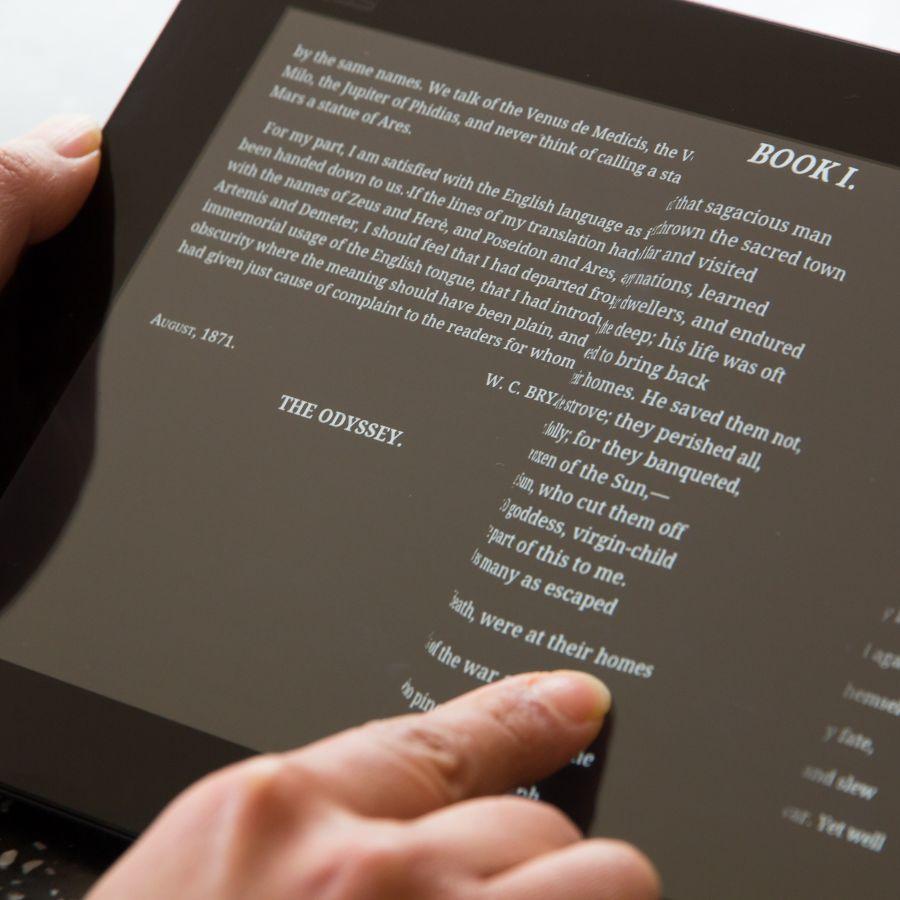
I would just say that if you love a story and you love a book, a far more powerful way for people to read with joy and gusto again is to hear about it from another human being. If you and I were not here talking today about this, and I said to you, one of my favorite books of all time that really changed my life is Homer's Odyssey. I got you a copy, and no pressure, give it to somebody else if you don't want to read it, but I think you'd really enjoy it. It really speaks to something you're going through right now. The chance of your friend reading that book just went up astronomically.
And that's what it means to steward bookish culture well in our digital age. We have to remember that books are things shared person to person, and stories are things shared person to person. So if you have a grandkid right now, and you love The Odyssey, they will love to receive it from you as a gift, and they will probably love it all the more because their grandfather or grandmother gave it to them. Don't underestimate the gift of your love of a book, sharing it verbally with somebody else. It might be the little spark they need to turn that page and start reading.
Q: You founded an educational nonprofit called The Greats Story Lab to break down barriers for readers to access and engage with the Great Texts, like The Odyssey. How have you seen these free, technologically immersive courses (just minutes a day!) help readers connect with The Odyssey?
SJ Murray: There was no grand plan when we started experimenting with The Greats Story Lab. I saw this need at the time for my students, who are digital natives and spend a lot of time on digital platforms. Let’s say we were reading one of the books of The Odyssey or a canto in Dante, and after class they would say, gosh, if I had just been going in the right direction more when I read it myself at home, I would've gotten so much more out of it. They have a lot of resources that they could find online to replace the reading, but instead of that, what if we just had a little spark, or a little push in the right direction? It doesn't substitute for the text, it doesn't remove the curiosity, it doesn't take away all the surprises of the book. What if we experimented with some short formats that lit that spark, or pushed them in the right direction? Would it increase their engagement with the book, and would it increase what they retained?
We created a few early video formats for a very difficult poem that I had translated for a class on the medieval French Ovide Moralisé, and we ran a self-reporting study where students filled out a questionnaire. We were really shocked, and encouraged, to see that a vast majority said this made my reading experience better, and it made me want to read more because I felt like I could understand what I was reading. So that's what convinced us, and we decided to throw it out on the internet for free for anyone, regardless of their school district or their state of life.
Q: And now 22 million views and visitors later…
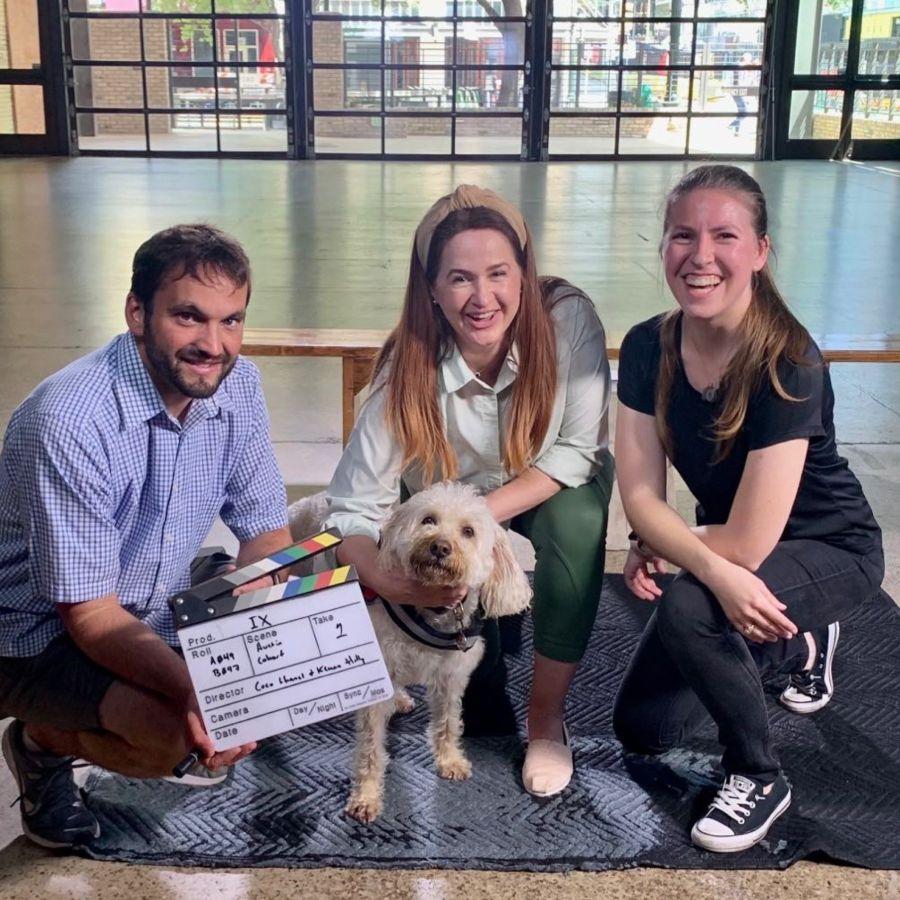
SJ Murray: You never really know what's going to happen with these things. You're happy if you get 500 views, and then we noticed it starting to pick up, and now we're really in this phase where we feel that we have to steward The Greats Story Lab well to help bring these stories to people. Most importantly, this is what we want to hear: It broke down the barrier to access. It made me feel like I can read these books, and I want to read more of them.
Not all of us are as fortunate to be able to participate in the long conversations we have about these books in class every day. But I think that since they are books that speak to us as human beings, if we have a little nudge in the right direction that takes us full circle back to where we began, if you have a guide who can point you in the right direction, then if you can read social media posts, you can read four lines of The Odyssey. You might just need a little help from a friend along the way. That's our goal.
I'm really grateful to a Baylor alumna, Courtney Smith Becker, who has been working hard to develop these series and edit them with me, and in many ways, they are as much her idea, because she encouraged me as a former student. I hope that it will flourish so that people can hear from many other voices as well.
Q: Back to the film! Director Christopher Nolan spoke recently to The New York Times about challenging himself with an ancient story like The Odyssey that resonates with our culture today. How do foresee viewing the film yourself as both a filmmaker and Great Texts scholar?
SJ Murray: I learned this from a late mentor, Robert Fagles, who was a great translator of Homer. In my first year or second year at Baylor, he came to Baylor to give a lecture on campus, and I asked him what he thought about the film, “Troy.” I expected him to be like, oh, they really should have worked harder on making that more exact or something. And I just remember this huge smile came over his face, and he was just sort of looking out in front of him, thinking, and he said, “Well, Sarah Jane, it's just… it's wonderful. The stories are alive. People are talking about them, they're watching them, people are reading them again. Homer would be so pleased.”
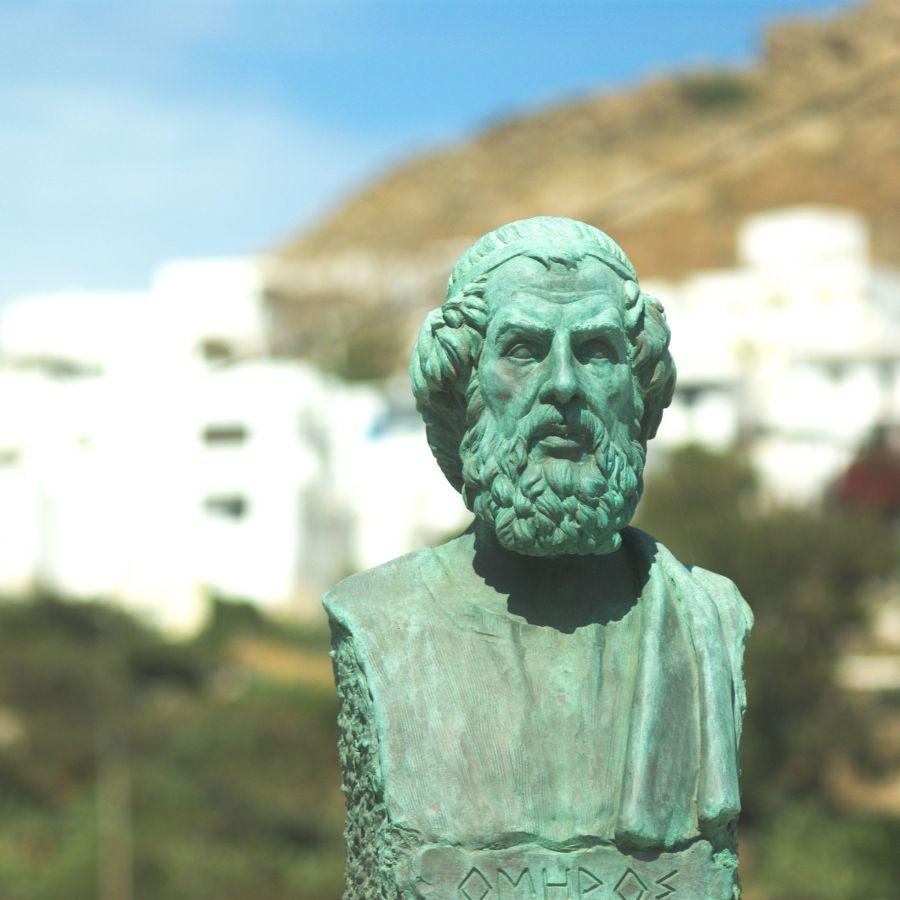
And I remember in that moment, I told myself, when a movie comes out about a book I care about, I want to be like Bob Fagles. I want to be excited for the movie. How lucky are we that in our lifetime, an amazing director like Christopher Nolan has chosen to bring Homer back to life for us. That's amazing. It's wondrous. I'm so excited.
The best advice I can give anyone, and this is what I do myself every time I start a movie and every time I start a book. I'm going to turn off my inner critic when I walk in. When the lights go down, that is a sign for me to be with the story and the journey and to turn off the little voice in my head that wants to analyze anything. When I go into the movie theater, I want to watch and enjoy and be part of that community experience of watching “The Odyssey” together.
ABOUT SARAH-JANE (SJ) MURRAY, PH.D.
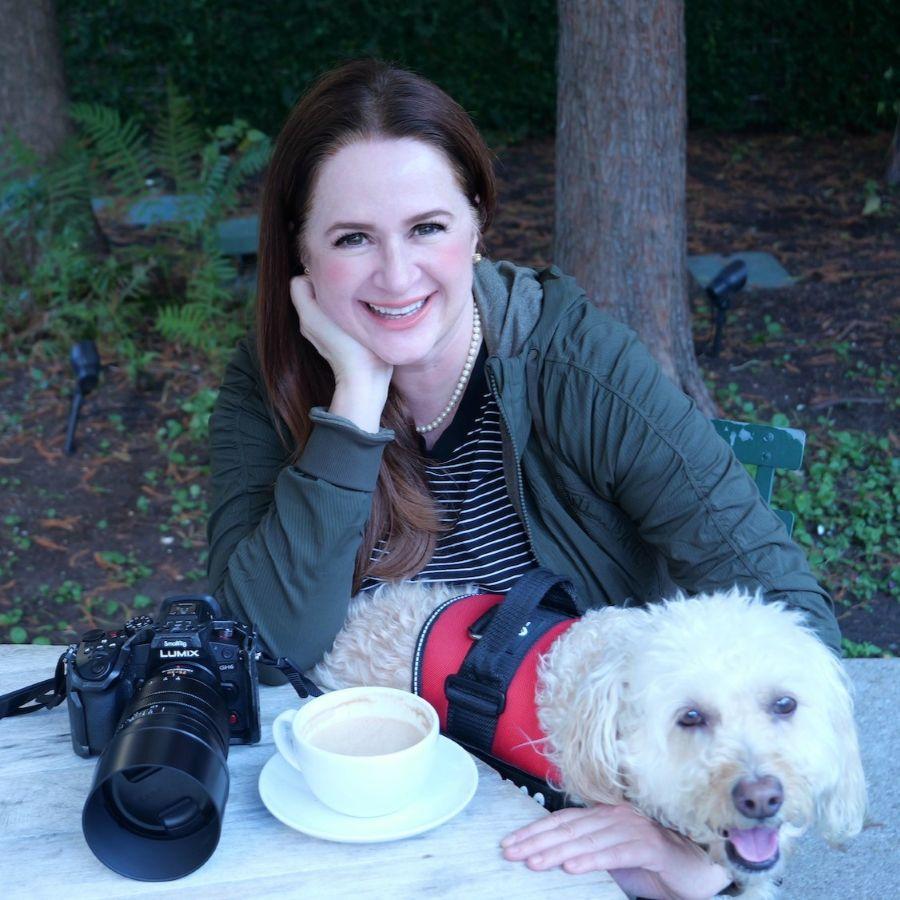
Sarah-Jane (SJ) Murray, Ph.D., is a Princeton-trained scholar, Digital Humanist and Emmy®-nominated filmmaker. As a tenured professor at Baylor University, she teaches in Great Texts and Film & Digital Media.
In 2014, she began exploring the links between ancient wisdom and modern science (see her 2014 and 2015 TEDx Talks), and later founded the Greats Story Lab™ to explore edumedia™, an area she pioneered at the intersection of storytelling, technology and education. Her research has been supported by leading institutions, including the National Endowment for the Humanities and American Philosophical Society, and her films have appeared on PBS, Netflix and Amazon.
ABOUT BAYLOR UNIVERSITY
Baylor University is a private Christian University and a nationally ranked Research 1 institution. The University provides a vibrant campus community for 20,000 students by blending interdisciplinary research with an international reputation for educational excellence and a faculty commitment to teaching and scholarship. Chartered in 1845 by the Republic of Texas through the efforts of Baptist pioneers, Baylor is the oldest continually operating University in Texas. Located in Waco, Baylor welcomes students from all 50 states and more than 100 countries to study a broad range of degrees among its 12 nationally recognized academic divisions. Learn more about Baylor University at www.baylor.edu.
ABOUT THE HONORS COLLEGE AT BAYLOR UNIVERSITY
The Honors College at Baylor University unites five academic pathways: the Bachelor of Philosophy degree, the Great Texts major, the University Scholars major, the Baylor Interdisciplinary Core, and the Honors Program. Students may also choose to live in the Honors Residential College, a multi-year community of students that fosters formation through friendship, study, service, and spiritual engagement. Together these opportunities invite undergraduates to explore questions that reach beyond the boundaries of individual disciplines. For more information, visit the Honors College website.